Consentless Advertising: The Unexpected Route to a More Sustainable Campaign Digital advertising is under pressure. Not only because of privacy legislation or transparency concerns, but also because of a growing awareness of something that stayed out of view for a long time: the CO2 emissions of programmatic advertising. Only a small share of advertisers and agencies measure those emissions or take concrete action. What is consentless inventory? When a visitor clicks "reject all" on a website, the ability to use third-party data or serve ads through the usual ecosystem of SSPs, verification services, and analytics platforms disappears. Large media platforms sometimes call on 50 to over 250 advertising partners as soon as consent is given. Without consent, all these partners fall away. What remains is a cleaner advertising environment: one ad call, one server request, no chain of third parties watching along. By comparison: a consented page view typically generates a series of server requests to ad servers, analytics platforms, verification services, and multiple SSPs for display, video, and native placements. That infrastructure comes at a price, and that price isn't only financial. Every one of those server requests, every data exchange, every process costs energy. And energy means CO2 emissions. The more partners involved, the more servers have to work, the more energy is consumed. The more energy, the larger the ecological footprint of that single impression. The question was simple, really: which route is cleaner? A consented open market with many partners and therefore many server requests, or consentless inventory? Our hypothesis: consentless wins on sustainability. How was this tested? Omnicom Media and Opt Out Advertising ran a 50/50 split test on display ads. Half of the ads were shown via consented inventory on B2B domains through an omnichannel DSP. The other half were served through the Opt Out DSP, focused entirely on consentless inventory within its premium network. For the consented variant, CO2 emissions were measured via Scope3. The consentless variant was measured directly through Opt Out Advertising's own servers. Both approaches followed the same measurement standards. By then systematically analyzing domain size and consumption, a fair comparison emerged, centered on one key question: how much CO2 is actually emitted per thousand impressions?
News & Cases
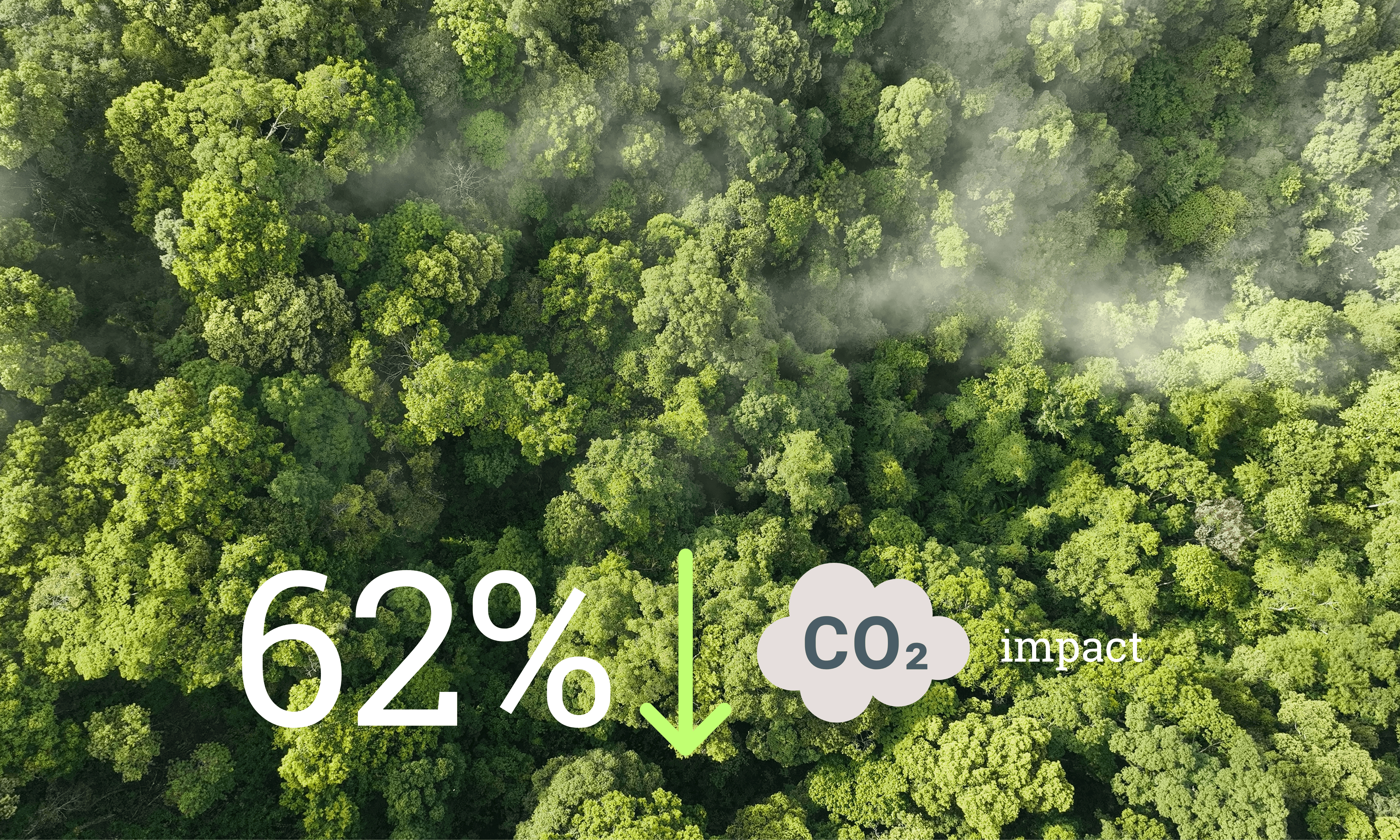
Consentless Advertising: The Unexpected Route to a More Sustainable Campaign
Contact us
Whether you are a publisher, an agency, an advertiser, or simply interested in consentless advertising, we are here to help.